While many people recognize the names of wines that come from the region of Veneto in northeast Italy, they don’t always make the association with Veneto itself. Famous wines like Prosecco and Valpolicella are produced here along with many more delicious varieties so there is a lot to enjoy – let’s journey through the different Veneto wine regions together!
An Introduction to the Veneto Italy Region
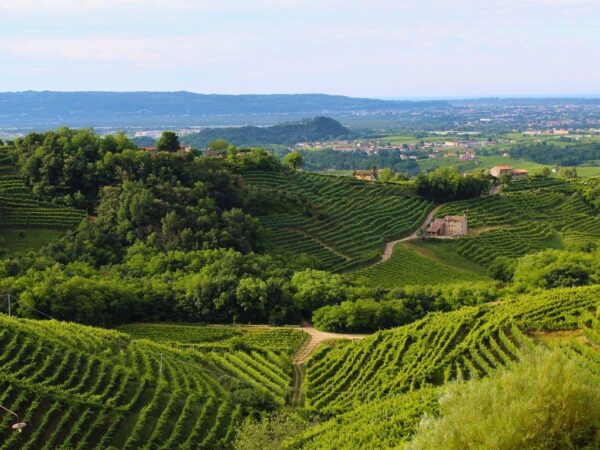
The Veneto region of Italy is in the north of the country, bordering Lake Garda in the west, the Italian Alps to the north and the Adriatic Sea to the east. The varied geography of the region means that many different types of wine are produced here, with multiple smaller sub-regions offering specific micro-climates and optimal growing conditions for the local vines.
With Venice as its capital, the wines of the Veneto region have always been in high demand. Vines were planted here in the time of the ancient Romans, who recognized the climate and fertile soil here as being good for wine production. Venice’s association with wine grew even stronger with the rise of the Venetian Republic. Their trading ships took Venetian wine all around their many trade routes in Europe, north Africa and the Middle East.
Even as grape varieties changed and evolved, there was always excellent wine being produced here. Today Prosecco is the region’s most famous wine but there are plenty of other sparkling, red and white wines to discover as well!
Valpolicella – One of Our Favorite Veneto Wine Regions
One of our absolute favorite wine regions in Veneto is Valpolicella. Covering three zones north of Verona, the rolling hills of Valpolicella have been home to wine makers since at least the time of the ancient Greeks.
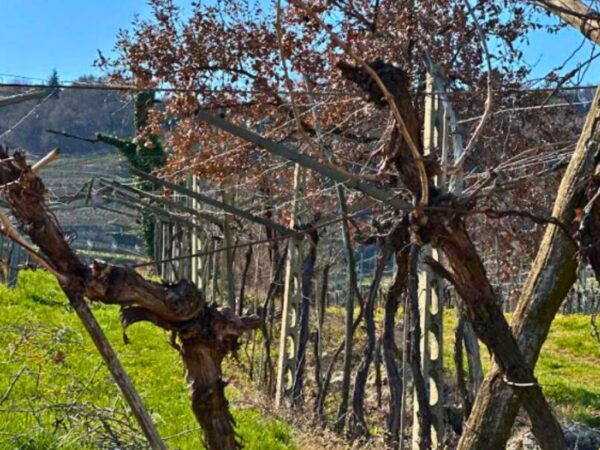
The vast majority of the grapes grown here are red. Corvina is the main grape variety in Valpolicella, but you will find this blended with Rondinella and Corvinone – all 3 of these grapes are Veneto-specific varieties. There are both DOC and DOCG classifications of Valpolicella wines, which range from the light Valpolicella Classica to the special Amarone della Valpolicella made from dried grapes:
Valpolicella Classica
As the entry level for Valpolicella wines, Valpolicella Classico or Classica is sometimes overlooked. However this easy drinking wine, with a lower alcohol content than others, is a fantastic example of a light-bodied red.
Made with a blend of Corvina and Rondinella grapes, Vapolicella Classica was classed as a DOC in the 1960’s. Other local grape varieties can also be added in to provide balance and elegance.
Pairing well with cheeses and pasta, the Classica is a perfect picnic or light lunch wine.
Valpolicella Classica Superiore
The Superiore version is the same blend of grapes as the Classica, but the wine must be refined in wood barrels for at least 12 months and the alcohol content must be above 12%.
This ageing process creates a more full-bodied red wine which pairs well with red meats and stronger flavors. Also a DOC wine, the Superiore is a little more expensive than the Classica but still a very affordable bottle.
Amarone della Valpolicella
The first of the Vapolicella wines to achieve DOCG status, Amarone della Valpolicella is something really special.
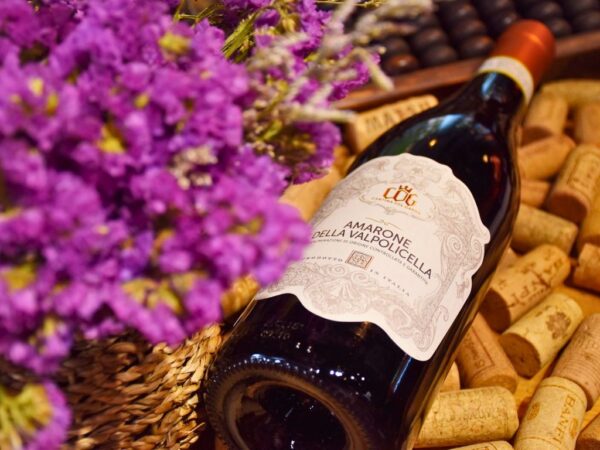
To make Amarone, ripe grapes are harvested and left to dry for 3-4 months. The process of drying creates a super intense, sweet shrivelled grape which is then crushed and a slow period of fermentation is started. The wine is then aged for at least 2 years in wooden barrels.
Amarone is full bodied and intensely fruity. It is unlike other red wines so you simply have to taste it for yourself! Holding up well to longer term storage, as it ages in the bottle the flavors develop even further.
Recioto della Valpolicella
The other DOCG Valpolicella wine, Recioto della Valpolicella is unusual in that it is a sweet red wine. Initially the wine making process is the same as for Amarone, with grapes left to dry and gain an intense sweetness. The difference with Recioto is that the fermentation is stopped before the grapes lose all their sugar, preserving the sweet flavor.
Made in both still and sparkling versions, the Valpolicella Recioto is sweet but not overly sugary. It still has a good acidity and tone, pairing well with desserts, cheeses and chocolate.
Valpolicella Ripasso
The final of the five Valpolicella wines, Ripasso, is also a DOC, and is a great example of how Veneto wines maximize the use of their fantastic grapes. Ripasso starts off as Valpolicella Classico, but before being added to wooden barrels, the wine is poured into the vats where the dried grapes for either Amarone or Recioto were pressed.
The wine is left in these vats for around 15-20 days, in contact with the crushed grape remains, allowing it to take on some of the flavor and intensity of those dried grapes. After this resting time, the wine is then aged. The end result is a lighter drinking wine but with notes of the more intense flavors.
Soave
While Valpolicella is all about red wines, the nearby wine region of Soave is all about white wines.
The town of Soave that gives this Veneto region its name is a medieval hill town, complete with an imposing castle and stone walls. All over this part of Veneto you’ll find tall hills towering over valleys, which provides the ideal conditions for the local vines.

Garganega is the principle grape variety grown in Soave, but there are also Trebbiano di Soave, Pinot Bianco, Chardonnay and some other local grapes. Soave wines are delicate and distinctive, medium-bodied and really special:
Soave and Soave Classico
One of the earliest DOC classifications, Soave white wines must be at least 70% Garganega grape, with the rest Trebbiano di Soave. Light and delicate, this wine pairs perfectly with vegetables, white meat and fish, cheeses and even desserts.
The majority of Soave is still, but sparkling wines are also produced here, the Soave Spumante.
Where the ‘Classico’ qualifier is added, these wines have been produced from grapes grown on higher slopes with a more volcanic soil. Different from the grapes grown in flatter areas for the regular Soave, the Classico is a little drier and more mineral-tasting.
Soave Superiore
Soave Superiore differs from the other versions in that the grapes must be grown in specific hilly areas of the wine region. It gained the DOCG classification in 2001, recognizing the elevated version of the Soave white wines.
Given the choice, we would also go for a Soave Superiore. The specific terroir gives the wine more structure, with a hint of bitterness balanced with fresh, fruity aromas.
Recioto di Soave
Made in the same sub-regions as Soave Superiore, Recioto di Soave is a sweet white wine, made in a similar way to the Recioto della Valpolicella. This was the first Veneto wine to achieve DOCG status in 1998.
The grapes (still predominantly Garganega) are hand-picked, before being left to dry in special cellars that keep the temperature consistent. After drying the grapes are pressed and the sweetness is concentrated in the resulting wine, which is left to ferment in small barrels.
Holding up well to ageing, the final result is a golden wine, sweet but with notes of almond that prevent it becoming too sugary. For something even more special, there is a sparkling version which is divine att the end of a meal!
Prosecco
Of all the Veneto wine regions and Veneto wines, Prosecco stands out above them all. Some people love it, other people hate it, but when speaking to those people we always ask if they have tried the real Prosecco from Veneto.
Unfortunately the popularity of Prosecco has led to many copies, produced all over the world with grapes and production methods that are not the same as those in this Veneto region. These copies have given Prosecco a bad name, with versions that are sugary, headache-inducing, bitter and frankly unpleasant!
Of all the Italian sparkling wines, Prosecco is the most popular, but it is important to know what constitutes a bottle of the real deal:
Prosecco DOC
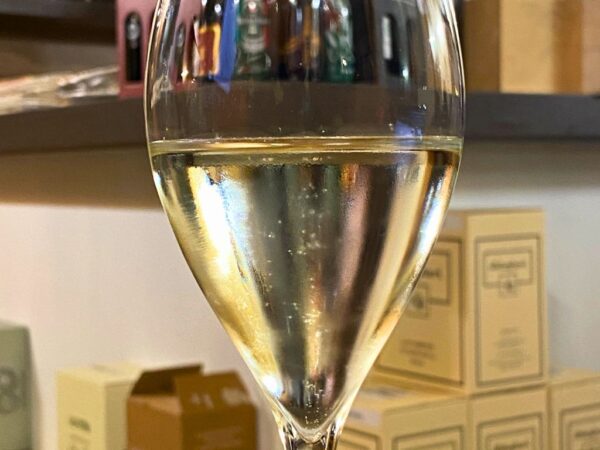
Prosecco DOC is the minimum standard you should look for on a bottle label. These are wines produced in 9 provinces of Italy, so there are plenty of examples to choose from. Made from at least 85% Glera grape, good Prosecco should be dry with floral and fruity notes.
While today Prosecco is associated with sparkling wines, there is also a still version which is most often found in the local Veneto region. There are also two forms of the sparkling Prosecco; Spumante (the one most people have tried) which has longer-lasting bubbles and a higher alcohol content, and Frizzante which has shorter bubbles and less alcohol.
Prosecco DOCG
If you want a really nice Prosecco, you should look for a DOCG version. There are two Prosecco DOCG, the Conegliano Valdobbiadene Superiore and the Asolo Prosecco Superiore. Both are produced in the Treviso province in Veneto, and are different from the DOC versions in two main ways.
Firstly, unlike the DOC Proseccco Glera grape which is grown in large fields on lower-lying land, the DOCG Glera grapes are grown in steep hillside vineyards. Secondly, these vines are looked after manually, with everything from pruning to the harvest done by hand.
The quality and flavor of the final wines is very different from the DOC versions, more flavorful and intense in both the still and sparkling versions. We love a Valdobbiadene Prosecco (often producers drop the ‘Conegliano’ on their label) so if you’re unsure which one to go for, this would be our recommendation.
Other Veneto Wine Regions
While the Veneto wine regions we’ve talked about already are some of the best you can start exploring, there are many more Veneto wines to discover. If you’d like to taste more of what Veneto Italy has to offer, here’s where we recommend you start:
Bardolino
This Veneto wine region located to the east of Verona, close to the shores of Lake Garda, is all about red wines, with some rosè wine as well.
Bardolino wines are classified as DOC. They are bright red when young, darkening to a garnet red with age and have distinctive herbal notes along with spice and deep fruity aromas, but are not heavy red wines.
Bardolino Chiaretto is a rosè (rosato in Italian) which is fruitier but still light. There is also a sparkling Chiaretto which is delightful paired with fish.
Lison
This DOCG wine is not solely a Veneto wine, as the territory where it is produced is in both Veneto and neighboring Fruili-Venezia Giulia. Made with a local grape variety called Tocai Friulano or Tai in Veneto dialect, Lison is a dry white wine with notes of apple and herbs.
This is not a wine you will find too easily but if you have the opportunity to taste some, we strongly suggest doing so! Many of the Veneto wines have some similarities with each other but Lison stands alone as something really special.
Colli Euganei
The Euganean Hills are a series of ancient volcanic hills located near the city of Padova. The volcanic soil and variety of altitudes means lots of different grapes are grown here, producing red, white and sparkling wines.
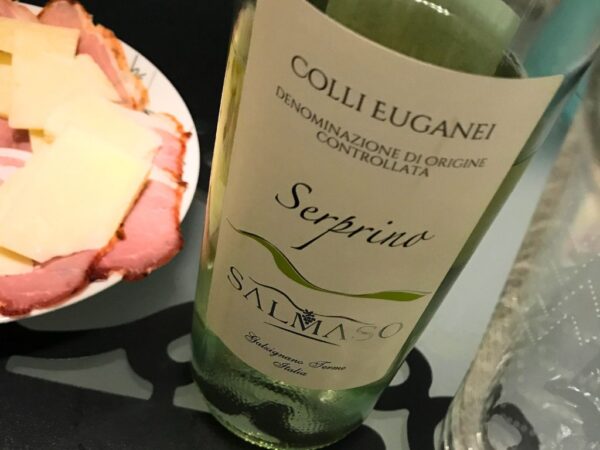
You can try Colli Euganei DOC wines in both white and red varieties, as well as a Prosecco and other local sparkling wines. There is also a DOCG, the Colli Euganei Fior d’Arancio which is a sweet wine made with the Moscato grape.
Many of the wines from here are drunk locally, the local Serprino sparkling is often used instead of Prosecco in Venetian spritzes for example. Fair warning, these are extremely easy to drink so you may find yourself a few bottles deep before you realize!
Of all the wines produced in Italy, the Veneto wine regions have some of the best examples of red, white, sweet and sparkling wines. The climate and unique territory, combined with centuries of winemaking knowledge and experience, means that if you are drinking something from this wine region, you have made a good choice!
If you would like to learn more about the production methods and understand the long legacy of Veneto wines, you can join us in Valpolicella for a full day exploring the beautiful countryside here. Meet the winemakers before tasting the different wines produced here, as well as enjoying a lunch of local cuisine paired with even more wine. Learn more here or get in touch to find out how to book your Veneto wine experience.