On July 28, 2026, Emidio Pepe died at the age of 94. He leaves this earth with more than sixty harvests, a family estate in Torano Nuovo, and wines which changed how people understood Abruzzo.
 Pepe was born in 1932 into a farming family in the province of Teramo, his father and grandfather made wine before him. In 1964, he began bottling Montepulciano d’Abruzzo and Trebbiano d’Abruzzo under his own name. Much of the region’s wine back then went into bulk sales, blends, or bottles meant for early drinking. Pepe chose another path. He believed both those native grapes deserved greater care, longer aging, and a place among Italy’s serious wines. He spent decades proving his point.
Emidio Pepe and his legacy
In the early years, he traveled from restaurant to restaurant with bottles in hand. Rejection often met his familiar reply, “Manteniamoci giovani,” let us stay young. Few producers shared his confidence in long aging. Pepe answered with patience and evidence. He kept bottles in the cellar, opened them years later, and showed how Montepulciano and Trebbiano preserved freshness while gaining depth. The estate now holds more than 350,000 bottles. The family releases each vintage only when the wine reaches the expression they seek. Some bottles rest for decades before leaving Torano Nuovo.
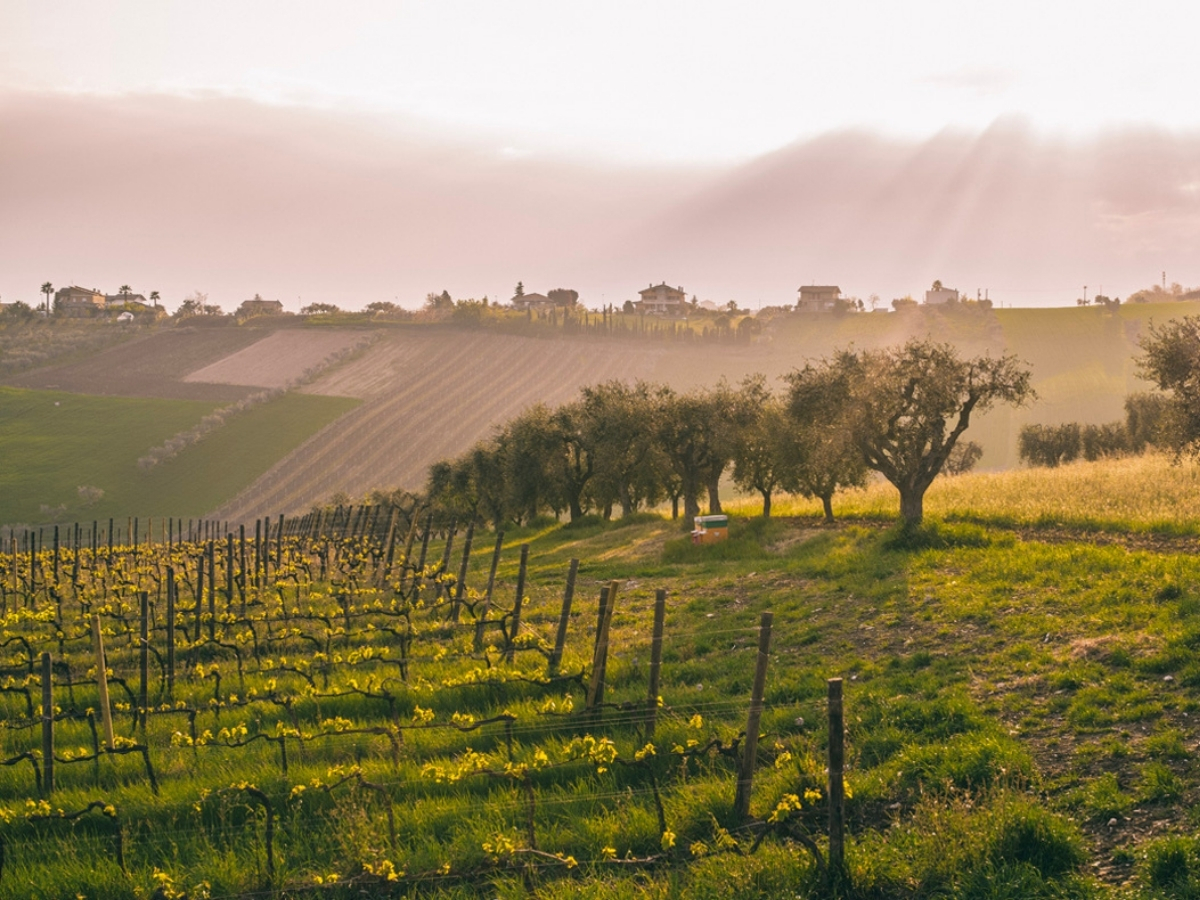
Time was central to Pepe’s work, although time alone never defined his wines
Every stage required close attention, from the vineyard to the final inspection before release. This shaped the winemaking philosophy and to this day keeps its course: The grapes are picked by hand. White grapes are crushed by foot in large wooden tubs. The bunches of Montepulciano are destemmed by hand on a net placed over a wooden vat, the berries fall through while the stems remain above. Fermentation begins with naturally present indigenous yeasts. The wines mature in concrete and enter the bottle without filtration. For bottles aged more than twenty years, the family opens each one, removes the sediment, checks the wine, tops up the bottle with wine from the same vintage, and applies a new cork. These methods require time, skill, and physical work. They also express Pepe’s respect for the vineyard. He avoided synthetic chemicals, selected yeasts and only worked with natural treatments and biodynamic preparations long before organic and natural wine became familiar parts of the wider wine conversation.
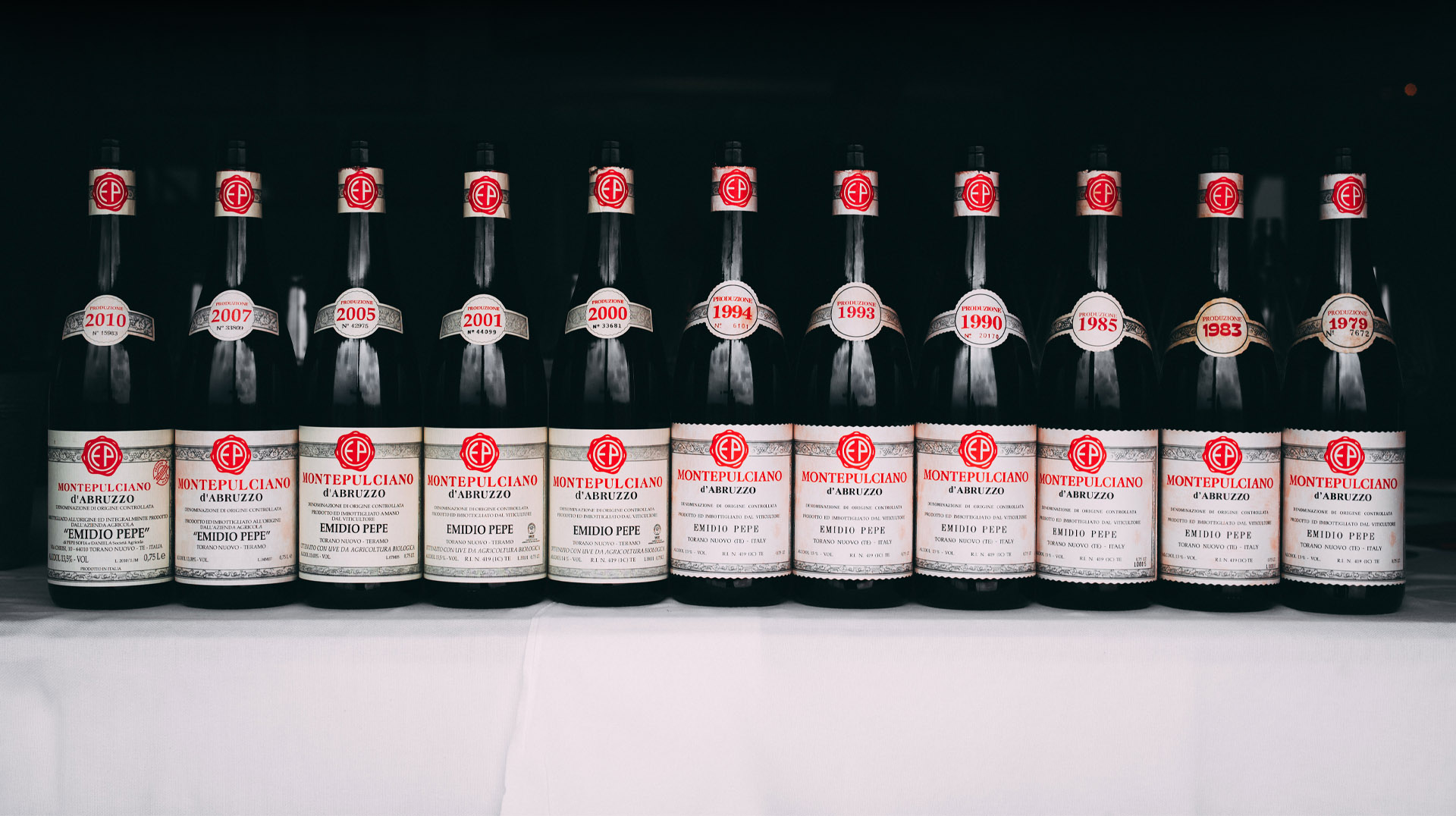
Montepulciano stood at the center of his work
In Pepe’s hands, the Abruzzo red grape gave us structured reds with firm acidity and the strength to evolve over decades. Mature bottles often show dark cherry, wild herbs, and tobacco notes, with striking minerality and freshness. He gave white Trebbiano the same attention, treating it as a serious white wine, rich in texture and shaped by acidity.
His work helped move Trebbiano d’Abruzzo beyond an old reputation for simple table wine meant for early drinking. Later, Pepe added Cerasuolo and Pecorino, yet Montepulciano and Trebbiano remain the clearest expression of his thinking.
Raising Abruzzo’s international standing
Pepe gave Abruzzo greater international attention by remaining close to the place where his work began. But he didn’t do it alone, other growers and families also changed how drinkers viewed the region. Pepe’s contribution was precise and inspired many generations to follow his lead. He proved the aging potential of the two native grapes, but he also carried those wines abroad. They reached major restaurant lists, collectors, and serious wine drinkers far beyond Italy. Through his work, wine lovers learned the name Torano Nuovo, and the grapes he championed. Wine drinkers came to expect longevity, precision, and character from a region often associated with inexpensive bulk wine.
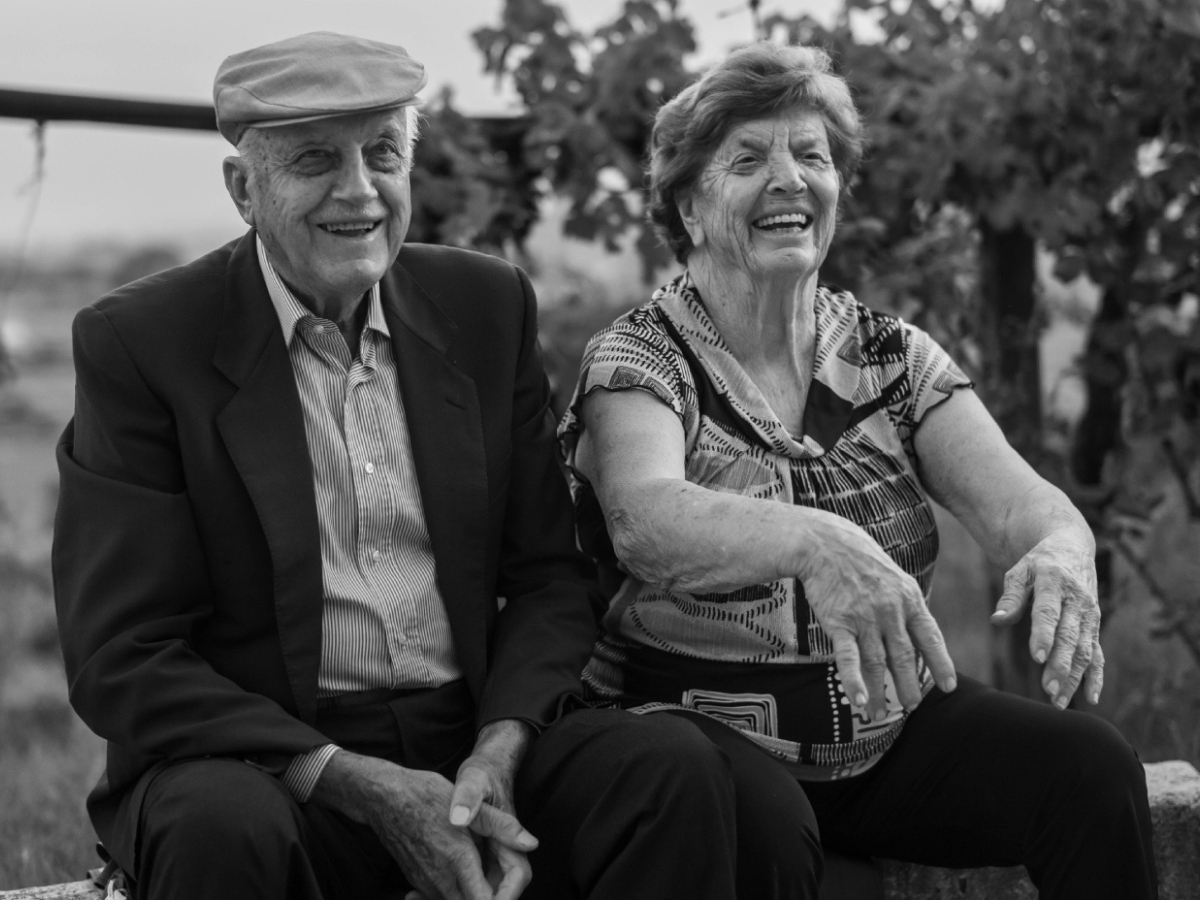
Family shapes every part of the Emidio Pepe label
Emidio’s wife, Rosa, supported him from the beginning and worked beside him throughout their life together. She had a special skill in decanting and checking bottles before release. For the past twenty years, their daughters, Sofia and Daniela, run the family business. Sofia oversees farming and winemaking. Daniela leads the administrative, strategic, and organizational work of the estate. Emidio and Rosa’s granddaughters also hold key roles, Chiara oversees the vineyards and winemaking, while Elisa leads the hotel, restaurant, and hospitality activities.
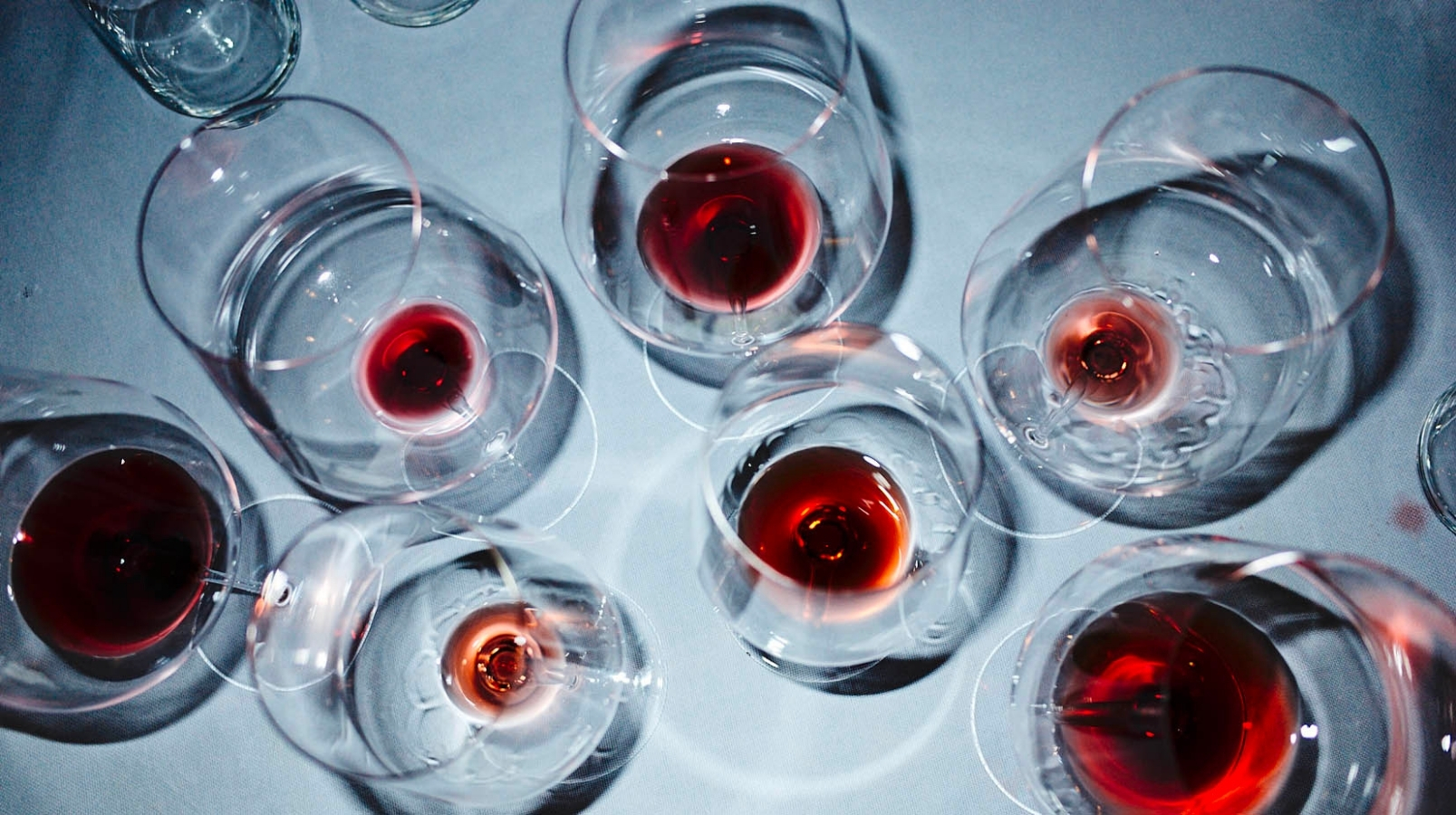
When you open a bottle of Emidio Pepe wine, give the bottle time. Be patient while you notice the acidity. Follow the changes in the glass. Think about the hands involved in every stage and the years spent waiting before the bottle reached the right moment, and landed on your table.
Emidio Pepe spent his life showing what Abruzzo could produce when local grapes receive patience and care. His death closes a long life of work. His family, vineyards, and wines continue the story.
For the work, the wine, and the place you gave to Abruzzo in the hearts of wine lovers around the world, grazie, Emidio.