The regions of Puglia and Basilicata in southern Italy have a particular charm. Unlike other southern regions like Campania and Sicily, which have been popular with visitors for a long time, Puglia and its neighbor Basilicata have taken a while for people to discover. We love this part of Italy and want to share it with you, so read on to find out why you should spend some time here.
An Introduction to Puglia and Basilicata
Puglia and Basilicata are separate regions but are often spoken of together as they have a long border and a lot of similarities in culture and cuisine. You can also easily visit the two regions together, or take day trips to places like Matera or Alberobello no matter where you are staying.
Both located in southern Italy, Puglia stretches along the Adriatic coast (with a coastline longer than any other mainland region) all the way down to the heel of the country. Basilicata is more central, bordering Puglia, Campania and Calabria, but also has a small stretch of coast.
The regions are far more sparsely populated than those in northern Italy which makes them feel very different. Home to multiple national parks, both Puglia and Basilicata have impressive scenery, dotted with beautiful, historic cities and towns.
A Brief History of the Regions
This part of Italy has been inhabited since prehistoric times, with numerous findings of fossils, prehistoric art, stone structures and more. The fertile lands were the perfect place to build settlements, and when colonists from ancient Greece started to explore the Italian coast they recognized this rich potential, with many colonies established.
Later, the ancient Romans took control of the entirety of southern Italy. The ports at Taranto and Brindisi were vital for Mediterranean trade and military movements, with the Appian Way connecting Apulia (as the Romans called it) to Rome. When the western Roman Empire fell apart in the 5th century, the area lost some of its importance, but still remained a key location for sea trade and transport.
After centuries of unrest, in the 11th century Puglia and Basilicata, along with Calabria, much of Campania and Sicily, was conquered by the Normans. Even though the Normans themselves only held the throne for less than 100 years, they laid the groundwork for what would become the Kingdom of Sicily. This encompassed most of the south as well as Sicily, and would last in some form until Italian unification in 1861.
Through the Middle Ages and into the 19th and 20th centuries, this part of Italy did not thrive. Focused primarily on agriculture for income, the region did not develop the same way northern cities and areas did. Population levels dropped due to people moving north or emigrating abroad, and living standards were far lower. Various programs started to make improvements, but it was not until after World War II that significant progress was made and these two beautiful regions received the attention and investment needed.
What to See and Do in Puglia
Puglia truly has something for everyone. You can explore archeological sites dating back thousands of years, wander through the narrow streets of medieval cities, spend the day on a beach with crystal clear waters, go olive oil tasting or wine tasting – the possibilities are endless. To get to know Puglia, our advice is to visit a mix of cities, towns and outdoor areas. Here are some of our particular favorite things to do in Puglia:
Places to Explore
The ideal first stop is Bari, the capital of the region. This city is the perfect place to learn about the long history of Puglia, with ample evidence of the many versions of Bari on display. In the middle of Bari Vecchia, the old town that is based on the Byzantium city plan, you can visit the 11th century Basilica of Saint Nicholas and the medieval castle. In the newer part of Bari you’ll find Art Nouveau buildings from the 1920’s and in the archaeological museum you can learn about ancient Bari.
If you head inland, towards the border with Basilicata, you’ll come to the Alta Murgia National Park. Here you can follow various hiking and cycle routes and explore a wonderfully untouched part of nature. Pine forests and historic sites make this a fascinating place to visit.
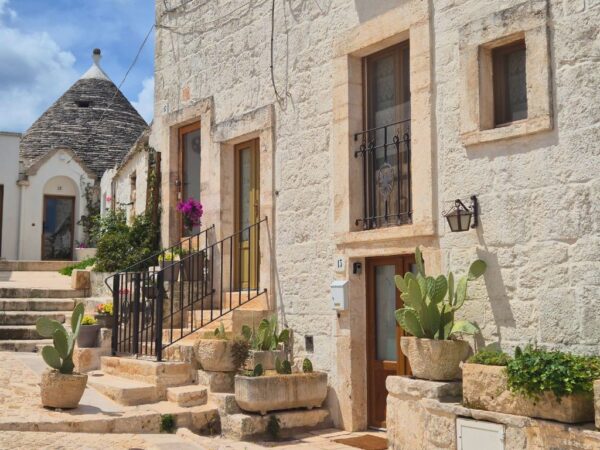
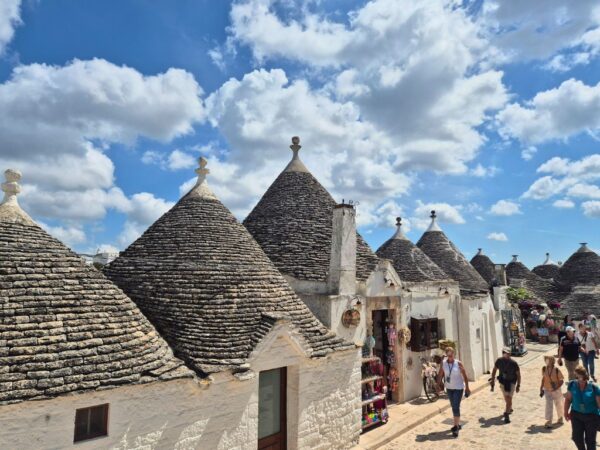
Further south is the Valle d’Itria, which is one of our favorite parts of Puglia. In this area you’ll find the white city of Ostuni, the charming town of Ceglie Messapica and Alberobello with its trulli houses. These cone-shaped buildings are typical of this region, with white walls and dark grey stone roofs, but in Alberobello the old town almost entirely consists of trulli.
Further south again, the city of Lecce is a Baroque masterpiece but there are also many remnants of its older past, with medieval city gates and ancient Roman ruins to see too. Otranto feels like another world, situated on the far southern Adriatic coast and Gallipoli, which is on the western side of the peninsula, is another place very few visitors ever get to but is well worth the effort!
Beaches in Puglia
Thanks to the long coastline, Puglia is famous for its beautiful beaches. With a large number of sandy beaches (not always common in Italy), pristine water and stunning backdrops, in the height of summer Puglia is a very popular seaside destination.
In the north of Puglia, on the edges of the Gargano National Park, there are a series of lovely beaches, primarily sandy. Those that are part of the local towns have facilities for bathers, but others are more remote. Search around Vieste to see the best options.
Heading south, the coastline becomes more rocky, with beaches smaller and more likely to be pebble-based not sandy. Polignano a Mare and nearby Monopoli are more conveniently located to also visit the nearby sights of Bari and the Valle d’Itria, but the trade off is that the beaches are not as good.
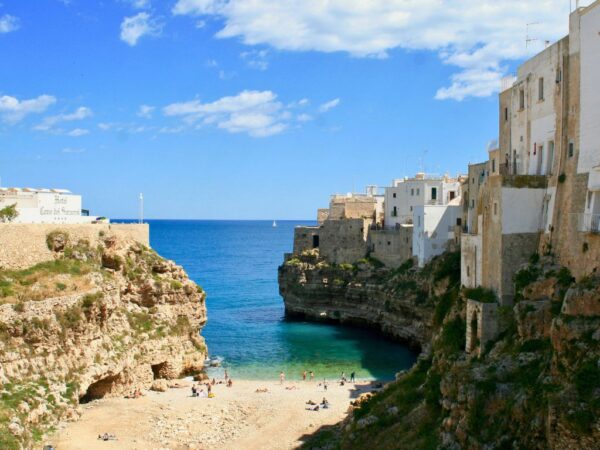
If your focus is the sea and the beach, we recommend basing yourself further south on the Salento peninsula. Here there are the Ionian seas to the west and Adriatic sea to the east, both of which are worth visiting. There are numerous beaches to choose from, so you won’t struggle to find somewhere that’s right for you! One particular stand out for us is Santa Cesarea Terme, south of Otranto, where you can bathe in natural thermal waters.
Puglian Cuisine
The food in Puglia is divine. Some of the most memorable pasta dishes we have ever had in Italy are from restaurants here, the olive oil is incredible and local wines varied. While initially the local cuisine appears simple, there are layers of complexity to uncover.
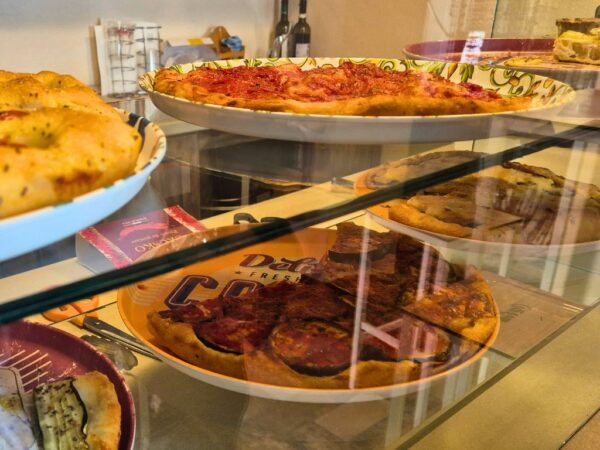
Some dishes are very specific to parts of Puglia, such as the focaccia Barese from Bari, where tomatoes and oregano are baked into the bread or the custard-filled sweet pastry from Lecce, pasticciotto. However, much of Pugliese cuisine is focused on staples like bread, vegetables, pulses, cheese and fish. Meat traditionally has only been eaten occasionally here, but one meat dish you should look out for is anything using Puglian sausages, with recipes refined to maximize flavor.
It’s always our advice to speak to the locals for recommendations, but here are a few key things that you should taste while in Puglia:
- Fava beans – these broad beans are very popular here. When the dried beans are cooked and pureéd they create a really flavorful base that sounds plain but finished with the golden olive oil is wonderful. Fave e cicoria is a classic dish, where the bean pureé is topped with braised broccoli rabe.
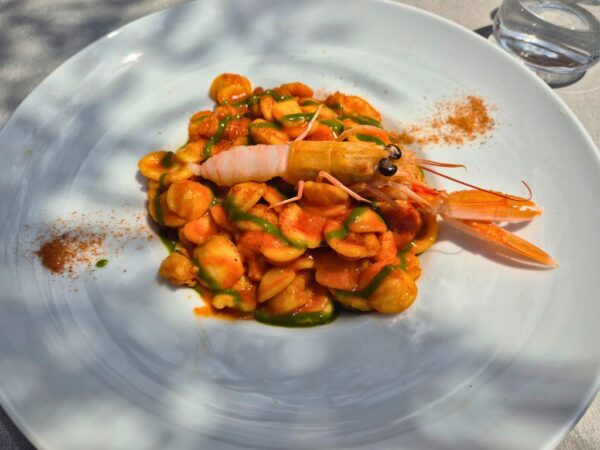
- Pasta – Puglia produces a lot of durum wheat, which is used to make excellent dried pasta. The ear-shaped orecchiette is a classic, but we also like cavatelli (small rolled shells) for sauces where you want the pasta to hold all the flavor.
- Burrata – While you can find burrata everywhere nowadays, the soft cheese originated here in Puglia. Tasting truly fresh burrata, made in Puglia from the milk of cows that have been living in the beautiful countryside, is a treat for the senses!
Exploring Basilicata
Basilicata is one of the least visited regions in Italy. Never densely populated, there are far fewer major towns and cities to explore compared to regions like Tuscany or Emilia-Romagna. However, this does not mean you’ll struggle to find things to do and see!
The city of Matera with its cave buildings is fascinating, but many visitors focus solely on Matera and do not explore further. They are missing out on ancient archeological sites, pretty hilltop villages, medieval castles, mountains, the historic regional capital city of Potenza and the small but lovely coastal areas.
Here is some inspiration if you’re considering a Basilicata road trip:
Places to Explore
We do have to start with Matera, because it is such a unique place. The caves that residents carved out of the chalky local stone in the Sassi created layers of community, using every tiny part of the limited space for their homes. Exploring the historic centre of the city is a Basilicata must-do – you can read more about what this is like here and find out about how we can help you have this experience.

Outside of Matera, there is plenty more history on offer across the region. The archeological park of Siris – Herakleia sits near the Ionian coast, where you can see the ruins of the ancient Greek colony and later colony of Siris. Further north you can also discover the remnants of Metapontum, or head inland to find the Norman castle of Melfi.
The town of Maratea on the west coast is a great place to spend some time, famous for its high concentration of churches and nearby beaches. You can also take in the Lucanian Dolomites, a mountain range with hiking trails and small villages. Lucania is the ancient name for the region, and is still the name of the people – locals are Lucanian, not Basilicatian so you will see this everywhere!
Food and Drink in Basilicata
There is some overlap in the cuisine between Puglia and Basilicata, given their shared heritage and landscapes. You’ll find plenty of fava beans in Basilicata, as well as sausages, chickpeas and olive oil, but there are a few key differences and local specialties you should try.
With all the delicious pasta on offer, Basilicata is the Italian region that consumes the most pasta. As with Puglia, durum wheat is the main grain source so the pasta here is made with flour and water, no egg, and left to dry before being cooked.
Unusually, local bread is also made with durum wheat, which gives it a different texture. Matera bread is now an IGP because of its special history and character – it lasts far longer than regular freshly baked bread.
The main difference between food in Basilicata compared to Puglia is their use of more spicy, intense flavors. Horseradish is used in many traditional dishes, and one of our favorite local creations is peperoni cruschi. Made by drying local sweet peppers which are then deep fried, the end result is a smoky, intense pepper that is used in all sorts of ways. Aperitivo in Basilicata wouldn’t be the same without a few pieces to accompany your spritz!
Don’t forget to try some of the local drinks too. Vines have been growing here for thousands of years, and the red wines in particular are fantastic. Not only wine comes from Basilicata, the classic Italian amaro after-dinner drink Lucano is a local creation, and there are plenty of other liqueurs to try too.
Practical Travel Tips for Puglia and Basilicata
There are some key things to be aware of before planning your trip to Puglia and Basilicata to ensure you have a fantastic time:
The Best Time to Visit
While you can have a wonderful visit any time of year, there are some periods that are better than others – depending on what you want to do while here.
If you want to make the most of the beautiful beaches, then June and July are perfect. Not only are the summer temperatures ideal for long days by the water, the beaches will be busy but not crowded. In August many Italians head to Puglia for their summer vacation so a beach that is fairly calm in June will be absolutely packed with people!
If you want to focus more on sightseeing, those summer months are less ideal. It gets extremely hot in Puglia and Basilicata in the summer, so you may find yourself struggling to appreciate everything properly. If your itinerary includes lots of traveling around and days out exploring, we recommend planning your trip for the spring or fall, when the temperatures are cooler but still very pleasant and mostly sunny.
Winter is absolutely low season, so you can find some fantastic bargains on accommodation. City breaks in winter are particularly fun, where you can visit Bari, Matera, Lecce and more very easily.
How to Reach These Regions of Italy
Puglia and Basilicata are a little more difficult to reach compared to Rome or Tuscany, but there are plenty of good connection options.
There are two main airports in Puglia, one at Bari which is further north and one at Brindisi. Bari is the larger of the two, mainly offering domestic and short-haul flights, and is more convenient for the Valle d’Itria, Alberobello, Monopoli and Ostuni. Brindisi is newer, but offers a wide range of flight options. From Brindisi you can reach Lecce and the southern heel of the Salento peninsula. Basilicata does not have any major airports, but you can use either Bari or Naples airports which have a similar drive time.
While there are a few long-haul routes between Bari and the US, in general you will fly in to one of the European hubs like Rome, Milan, Amsterdam or Paris and then do a second leg to reach this part of Italy.
From within Italy you can reach Puglia by train fairly easily. There is a high speed train that runs between Rome and Bari and from here you can transfer to one of the regional trains that run along the Adriatic sea coast. You can also connect in Naples (a new high-speed line connecting Naples and Bari is being built right now). Trains in Basilicata are less regular and less helpful, so your best option is by car once you arrive in Italy.
Getting Around in Puglia and Basilicata
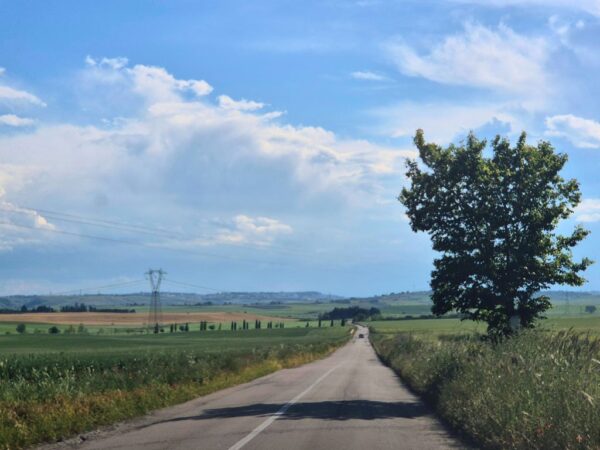
Once you’re in this part of Italy, the best way to get around is by car. You will find rental agencies in all the major cities and towns, and unlike the fast-paced cities of Rome, Milan and Naples, driving in Puglia and Basilicata is much calmer.
Having your own car makes exploring so much more straightforward. You can get between the major cities using public transport, but visiting beaches, smaller towns and other sites is a challenge.
There are lots of taxis and private hire drivers who operate in these regions so you can also use these services if you aren’t comfortable driving.
Get to Know Puglia and Basilicata With Casa Mia
There are so many wonderful places to see and things to do in these two regions of Italy, and we’d love to make it easy for you to discover more. If you’re interested in seeing more of Puglia and Basilicata, then contact us today to find out how we can plan a special itinerary or experience for you.